
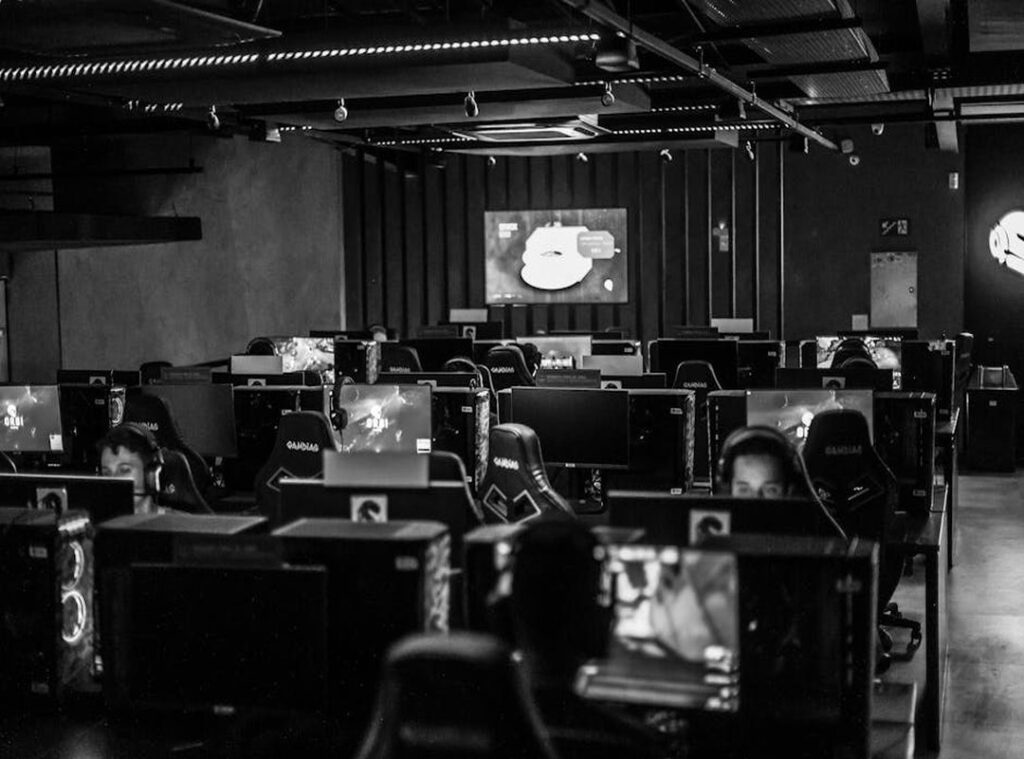
You’ve seen the numbers.
Esports viewership just beat the NBA Finals.
But you still hear people say it’s just kids playing video games.
That’s not true. And it’s getting old.
I’ve spent years tracking this. Not just watching tournaments. But studying the money, the schools, the cities building arenas for it.
This isn’t a fad. It’s shifting how we think about work, education, and even community.
People ask me all the time: How Esports Affect Society Hmcdgaming (really?) Not the hype. Not the memes. The actual impact.
So I pulled together economic reports, classroom data, and cultural shifts (all) in one place.
No fluff. No jargon. Just what’s happening.
You’ll walk away knowing exactly where esports fits now (not) where it used to be.
The Billion-Dollar Bet: Esports Isn’t Just Games Anymore
I watched a $5 million Dota 2 tournament in Singapore last year. Hotels were booked solid. Local restaurants added English menus overnight.
That wasn’t luck. It was the host city effect in full swing.
Esports revenue hit $1.38 billion in 2023. It’ll cross $1.8 billion by 2027. That’s not hype (it’s) audited data from Newzoo.
You think it’s just players? Wrong. Coaches earn six figures.
Analysts build playbooks using Python and heatmaps. Event managers coordinate 200-person crews across three time zones.
Broadcast producers now demand Unreal Engine skills. Marketing specialists negotiate deals with Gucci and Mercedes-Benz. Yes (Gucci.) They sponsored an entire League of Legends team.
Why? Because 60% of their target audience watches esports weekly.
That’s why I pay attention to Hmcdgaming. They track how these shifts ripple into education, labor policy, and urban planning (not) just headlines.
Tourism boards are rewriting budgets. Las Vegas built an esports arena next to T-Mobile Arena. Why?
Because one Fortnite World Cup brought in 42,000 visitors. Hotel stays spiked 37%. Bars stayed open till 3 a.m.
This isn’t niche anymore. It’s infrastructure.
Cities that ignore it will lose talent. Schools that don’t offer broadcast tech classes will fall behind.
How Esports Affect Society Hmcdgaming isn’t just about screen time. It’s about who gets hired, where money flows, and what counts as “real work.”
I’ve seen high schoolers land internships at ESL just for editing VODs.
You still think it’s a hobby?
It’s a job market. With rent.
Esports Didn’t Go Mainstream (It) Just Got Loud
Remember when people said video games were a phase? Yeah, I heard that too. (Spoiler: they were wrong.)
The League of Legends World Championship final in 2023 pulled in 74 million peak viewers. The NBA Finals that same year? Around 12 million.
You read that right.
That’s not niche anymore. That’s audience.
Twitch and YouTube didn’t just host streams. They rewrote how we watch things. No more waiting for kickoff.
No more passive viewing. You comment. You cheer.
You tip. You ask the streamer to try the weird build. It’s live.
It’s messy. It’s real.
And it’s why a kid in Ohio knows Ninja’s coffee order but can’t name three MLB pitchers.
Esports celebrities aren’t just players anymore. They’re brands. They’re influencers.
They’re the reason Fortnite skins sell out faster than concert tickets. They shape slang. They set trends.
You can read more about this in this article.
They get invited to the Met Gala (yes, really).
Musicians drop collabs with streamers. Nike signs League pros. The Olympics is still pretending esports isn’t a sport (while) Adidas sponsors teams and Travis Scott hosts in-game concerts.
Does that sound like a subculture?
Or does it sound like culture. Just one that skipped the gatekeepers?
I’ve watched teens plan weekend hangouts around tournament schedules. I’ve seen teachers use Valorant clips to explain teamwork. I’ve seen grandparents ask what “GG” means.
This isn’t happening despite mainstream media. It’s happening around it (then) swallowing it whole.
How Esports Affect Society Hmcdgaming isn’t about screens or headsets. It’s about where attention goes (and) who gets to define what matters.
Pro tip: Watch a full LCS broadcast start to finish. Not for the game. For the ads.
For the commentary style. For how the chat moves with the action.
That’s where the shift lives.
The New Classroom: Skills, Not Just Screens

Gaming isn’t killing attention spans. It’s training them.
I’ve watched students who barely raised their hands in history class lead full-team comms in Valorant (calling) rotations, adjusting plan mid-fight, staying calm when the round’s on the line.
That’s strategic thinking under pressure. Not theory. Real-time.
Colleges aren’t just tolerating esports anymore. They’re funding it. Over 200 U.S. universities now offer scholarships (some) full rides (for) competitive players.
You think that’s just about reflexes? Wrong. Try managing economy, map control, and teammate roles in CS:GO while reading opponent patterns.
That’s multitasking with consequences.
And if you want to get better at that kind of play? There’s a whole roadmap out there (like) this practical guide on how to get better at CS:GO.
High schools are using those same games to pull kids into coding clubs, streaming labs, and data analytics electives.
No one’s handing out Python books and saying “just try it.” They’re saying “let’s build a bot that predicts enemy spawns in StarCraft”. And suddenly, math has stakes.
This isn’t about turning every kid into a pro player.
It’s about recognizing that the skills built in these spaces (communication,) adaptability, systems thinking (are) the ones employers actually ask for.
How Esports Affect Society Hmcdgaming? It starts here. In the classroom.
With a headset and a plan.
Skip the lecture on soft skills. Put them in the game. Let them earn it.
Digital Communities: Real Bonds, Real Problems
I’ve watched esports communities grow from niche chat rooms to global networks. They connect people who’d never meet otherwise. That’s not hype.
It’s real.
These spaces look different every day. A Discord server with 20,000 members. A Reddit thread that stays active for months.
A local LAN party where strangers become friends over pizza and lag spikes. (Yes, even the lag builds camaraderie.)
But let’s be honest: toxicity lives here too. Harassment isn’t rare. It’s routine in some lobbies.
Diversity efforts often feel like lip service until someone actually changes the mod team or bans the trolls.
Developers are trying. Some games now mute by default. Others require verified accounts before posting.
It’s slow. It’s messy. And it’s nowhere near enough.
How Esports Affect Society Hmcdgaming isn’t just about stats or sponsorships. It’s about who gets to belong. And who gets pushed out.
Not just filters and flags.
The best community work happens offline first. Real talk. Real accountability.
If you want practical ways to build or join healthier spaces, the Hmcdgaming Esports Guide by Harmonicode lays it out clearly (no) fluff, no jargon.
Esports Isn’t Niche Anymore
It’s real. It’s loud. It’s reshaping how we work, learn, and connect.
I’ve seen it up close. Schools building labs around How Esports Affect Society Hmcdgaming, brands shifting ad budgets overnight, kids finding community where they once felt invisible.
This isn’t about flashy tournaments or million-dollar prizes. It’s about jobs. It’s about identity.
It’s about who gets heard. And who gets left out.
You’re already living in this world. You just haven’t named it yet.
So stop reading about it. Go watch one pro match online right now. Look up a local team.
Ask a teen what game they play. And listen to why it matters.
That’s where your understanding starts. Not in theory. In action.
Your turn.