You’re watching a baseball game.
The announcer says “can of corn” and you glance at the snack aisle in your head.
Then “ducks on the pond.”
You check the weather app. Is there rain? A pond?
What is happening?
I’ve been where you are. Staring blankly while everyone else nods along like it’s obvious.
This isn’t about memorizing definitions. It’s about getting the game.
I’ve spent years loving baseball (and) teaching its language to people who felt exactly like you do right now.
That’s why this guide cuts through the noise.
It explains Baseball Terms Sffarebaseball. Not just the textbook stuff, but the real slang, the weird phrases, the things fans actually say.
By the end, you’ll understand what’s happening on the field and why people laugh when someone says “tater.”
No fluff. No jargon about jargon. Just clear talk.
Field Layout First. Then Everything Makes Sense
I learned this the hard way. Watched three innings of baseball before realizing I had no idea where the infield ended and the outfield began.
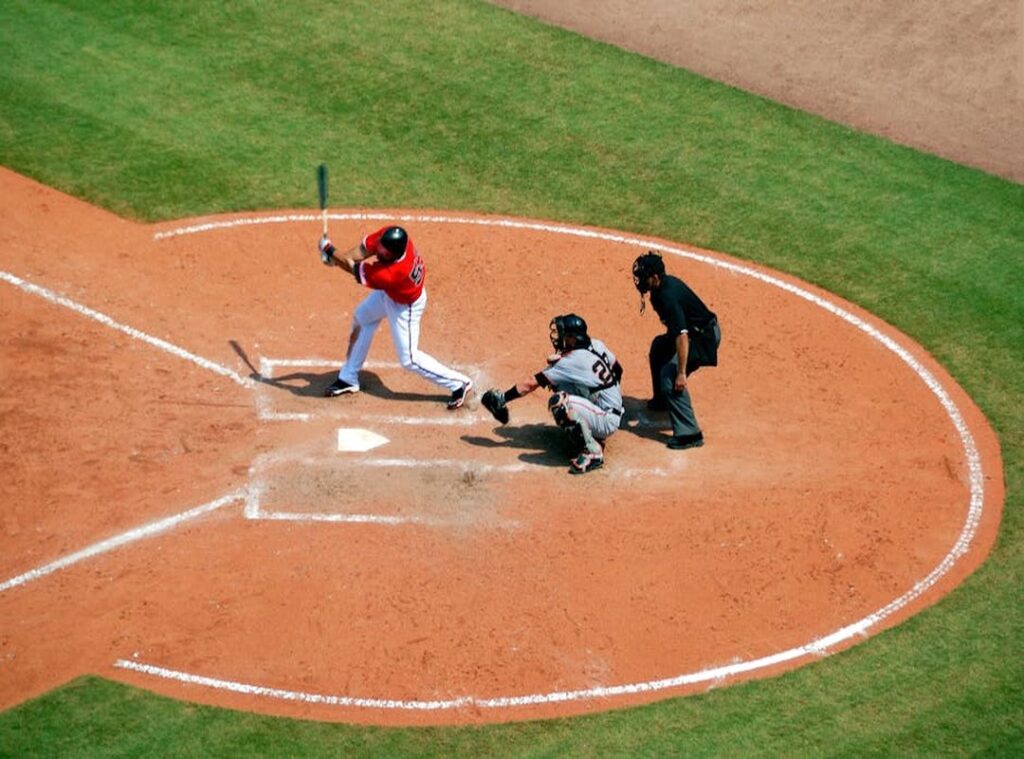
The field is a diamond. Not a shape on paper (an) actual dirt-and-grass diamond. Home plate, first, second, third.
That’s the diamond.
Infield is the dirt area inside those bases. Outfield is the grass beyond it. Simple.
Foul lines? Those white lines stretching from home to first and home to third. If the ball lands outside them, it’s foul.
(And yes, that includes the yellow line painted on the wall at Wrigley.)
Dugouts are where players sit. Bullpen is where relievers warm up. Not the same thing.
I mix them up sometimes too.
Now. Gameplay.
An inning has two halves. Top and bottom. Each team gets three outs per half.
An out happens when a batter swings and misses three times (strike), or hits a fly ball someone catches, or runs into a force out.
A ball is a pitch outside the strike zone that the batter doesn’t swing at.
Four balls = a walk. Also called base on balls. The batter goes to first.
No argument.
Here’s the pro tip: A force out means you don’t need to tag the runner. They’re forced to run (so) stepping on the base beats them. A tag out means you literally have to touch them with the ball in your glove.
New fans get this wrong all the time.
You’ll see both happen in the same inning. Often in the same play.
Sffarebaseball has real game clips showing exactly how force outs work. Better than any diagram.
Baseball Terms Sffarebaseball isn’t about memorizing words. It’s about recognizing patterns in real time.
That’s how you stop feeling lost.
At the Plate: What Your Batting Stats Actually Say
I’ve stood in that box with two outs and a runner on third. You know that silence before the pitch? That’s when stats stop being numbers and start being pressure.
Batting Average (AVG) is simple math: hits divided by at-bats. It tells you how often a batter gets a hit. But it lies.
A walk doesn’t count. A hit-by-pitch doesn’t count. A double counts the same as a single.
So no. AVG isn’t your full report card. It’s just the spelling test.
On-Base Percentage (OBP) fixes that. It adds walks and HBP to the numerator. It measures how often you reach base any way possible.
That matters more than AVG. Always has. OBP was the first stat Billy Beane trusted over scouts.
(And he won 20 straight games with it.)
Slugging Percentage (SLG) measures power. Total bases divided by at-bats. A home run is 4.
A triple is 3. A walk? Zero.
SLG answers one question: Did you move runners, or just tap one into the hole?
Full Count (3-2) means you’re one pitch from walking or striking out. Bunt? You’re trying to move a runner (not) get a hit.
Sacrifice Fly? You hit deep enough to score someone, then made an out. Hit and Run?
You swing no matter what, because the runner’s already going.
A Home Run clears the fence in fair territory. A Grand Slam is a HR with bases loaded. An Inside-the-Park Home Run?
That’s pure speed (or) bad outfielding. I saw one in High-A where the center fielder tripped on his shoelace. (True story.)
Baseball Terms Sffarebaseball covers all this (but) knowing the words won’t make you hit better. Swinging early in the count will.
So ask yourself: Are you chasing AVG? Or building OBP and SLG?
Because real hitters do both.
On the Mound: Pitching Lingo, Straight Up
I stand on the rubber. You watch from the stands. Everything starts here.
ERA is Earned Run Average. It’s how many runs a pitcher actually lets in per nine innings (not) counting errors. Think of it like goals against in soccer.
Lower is better. Always.
Fastball? It’s fast. And straight.
Mostly. (Unless you’re throwing a two-seamer. Then it darts.
But let’s not go there yet.)
Curveball drops. Like it hit a wall halfway. Slider cuts sideways and down (sharper) than a curve, faster than a changeup.
Changeup looks like a fastball… then dies. Your brain says “swing” and your bat says “nope.”
Starting Pitcher goes first. Usually throws six or more innings. Relief Pitcher comes in later.
Closer shows up in the ninth (if) the team’s ahead.
A No-Hitter means no one gets a hit. Ever. A Perfect Game means no hits, no walks, no errors, no baserunners.
Period. One’s rare. The other’s magic.
I go into much more detail on this in Sffarebaseball results 2023.
I go into much more detail on this in Sffarebaseball Statistics.
The Strike Zone isn’t fixed. It’s a box over home plate. Knees to belt.
But umpires call it differently. Some shrink it. Some stretch it.
That’s why pitchers beg for low strikes and hitters swing early.
You ever watch a game where the same pitch is called ball one time and strike the next? Yeah. That’s the zone.
Sffarebaseball Results 2023 shows how much those calls swing real games.
Baseball Terms Sffarebaseball aren’t just jargon. They’re the scorecard for who’s really in control.
I’ve seen closers blow saves because the zone shrank two inches. I’ve seen starters win with junk because the ump gave them the edge.
Don’t memorize definitions. Watch how they play out.
That curveball that dropped? That’s not physics. That’s pressure.
Talking Like a Pro: Baseball Slang That Actually Matters

I don’t care about dictionary definitions. You want to sound like you belong in the dugout (not) read from a textbook.
Can of Corn? An easy fly ball. So routine, you could catch it with one hand while eating lunch.
(Yes, it’s dumb. Yes, we all use it.)
Ducks on the Pond means runners are on base. Not one. Not two. Multiple.
And they’re waiting for someone to knock them in.
Golden Sombrero is four strikeouts in a game. It’s embarrassing. I’ve done it.
You will too. Don’t pretend otherwise.
Chin Music isn’t a playlist. It’s a fastball aimed near the batter’s chin. Intimidation 101.
(And yes, it’s dangerous.)
Painting the Black means hitting the absolute edge of the plate (where) the black border meets the white. Umpires love it. Batters hate it.
This isn’t just trivia. It’s how fans talk. How broadcasters think.
How you spot real knowledge versus Google recall.
If you’re diving deeper into game flow or player tendencies, this guide covers the numbers behind the slang (read) more.
Baseball Terms Sffarebaseball only matters if you use it right.
So stop translating. Start talking.
Step Up to the Plate with Confidence
I remember staring at a game, lost in the chatter.
You felt that too, right?
Not knowing what “cut fastball” or “double play” really meant made it feel like watching through fog.
Now you know the terms from the field, the plate, the mound, the dugout. The game opens up. Fast.
Baseball Terms Sffarebaseball gave you that clarity (no) fluff, no jargon, just real words you hear and understand.
Next time you watch, listen for three terms you learned today.
You’ll catch things you missed before.
That frustration? Gone.
Your move. Watch a game tonight. Listen.
See it differently.