
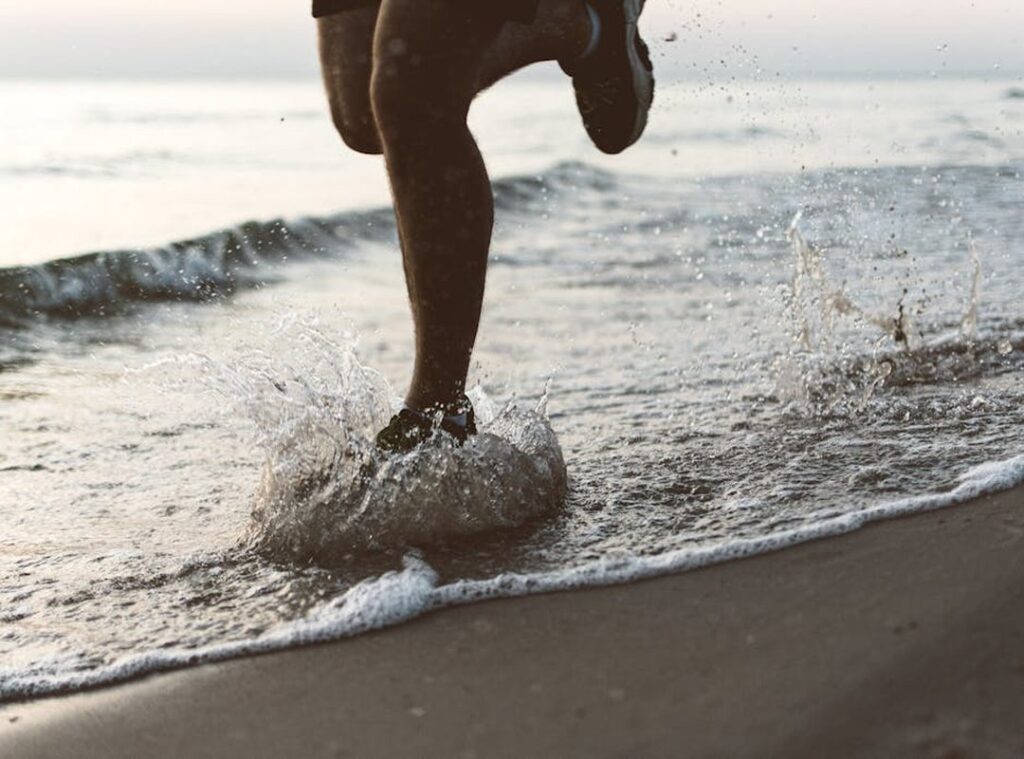
Creating an animated clip of a character running on water can be a real challenge. You need to get the physics and fluid dynamics just right. Otherwise, it looks fake and takes away from the whole scene.
I’ve seen some animators struggle with this, and it’s not easy, but it’s definitely doable. This guide is here to help you out.
I’ll share expert insights and practical tips from experienced animators in the industry.
You want your animation to look realistic and engaging. sonic running on water gif is a great example of what you can achieve. But how do you get there? This article will provide step-by-step instructions and best practices.
Let’s dive in and make your next animation a visual masterpiece.
Understanding the Basics of Animation
Key Concepts: Let’s dive into the core principles of animation. Timing, spacing, and squash-and-stretch are your new best friends.
Timing is all about how long an action takes. Spacing, and that’s the distance between frames.
Squash-and-stretch gives life to your characters by showing weight and flexibility.
I once made a character move too fast, and it looked like he was teleporting. Lesson learned: pay attention to timing and spacing!
Tools Overview: You’ve got options when it comes to software. Adobe Animate, Blender, and Toon Boom Harmony are some of the big names. Each has its strengths, so pick one that fits your style.
Blender is great for 3D, while Adobe Animate shines in 2D. I started with Blender, thinking it would be easier. Boy, was I wrong.
It took me weeks to get the hang of it. Pro tip: start with something simpler if you’re a beginner.
Pre-Production Tips: Don’t skip the planning stage. Storyboarding and planning your sequence before you start animating can save you a lot of headaches.
I once jumped right into animating without a clear plan. The result, and a mess.
Mistake: not having a storyboard. Now, I always sketch out my scenes first.

Storyboarding helps you visualize the flow and make changes before you invest too much time. Trust me, it’s worth it.
Creating the Character
Start with an anecdote about a character I once designed. I remember the first time I tried to create a character that could run on water. It was a disaster.
The character looked like a stiff, awkward mess.
But over time, I learned a few key things. Here are some tips for designing a character that is both visually appealing and suitable for the running-on-water effect.
- Keep it simple. Clean lines and a streamlined design work best.
- Think about balance. A character that looks balanced will move more naturally.
- Consider the environment. The character should fit the world they’re in.
Modeling and rigging can be tricky. You need to set up the rig for smooth movement. Start with a basic 3D or 2D model.
Then, add joints and controls. Make sure the rig allows for fluid motion.
Texture and shading are crucial, and they make the character more lifelike. Use high-quality textures.
Add subtle shading to give depth. This makes the character pop and look more realistic.
Here’s a quick example of what I mean. Check out this sonic running on water gif. See how the character moves smoothly and looks natural?
That’s the goal.
Creating a character that can run on water takes practice. But with these tips, you’ll be well on your way.
Animating the Character’s Movement
Keyframe Animation: How to use keyframes to create the running motion, focusing on natural and fluid movements.
Timing and Spacing: Tips for adjusting the timing and spacing to achieve a realistic running-on-water effect.
Secondary Actions: Adding small, subtle movements (e.g., hair, clothing) to enhance the realism.
Animating a character running on water can be a real challenge. Most tutorials out there focus on the basics, but they often miss the finer details that make the animation truly stand out.
First, let’s talk about KEYFRAME ANIMATION. You need to set your keyframes at the right points to capture the character’s stride. Think about how each foot hits the water and lifts off.
It’s all about making those transitions smooth.
Now, TIMING AND SPACING, and this is where most people go wrong. The timing of each step is crucial.
If it’s too fast, it looks like the character is skipping. Too slow, it feels sluggish, and find the sweet spot.
Pro Tip: Use a stopwatch or a metronome to keep the rhythm consistent. It helps a lot.
Don’t forget about SECONDARY ACTIONS. Small movements like the character’s hair flowing in the wind or their clothes flapping add a layer of realism. These little details can make a big difference.
Adding these elements makes the animation more believable. It’s not just about the main movement; it’s about the whole picture.
SONIC RUNNING ON WATER GIF
See how Sonic’s quills move with his steps? That’s the kind of detail you should aim for. It’s the little things that bring the animation to life.
Remember, the goal is to create something that looks and feels natural. Take your time, and don’t be afraid to tweak and adjust until it’s just right.
Simulating Water Dynamics
Water simulation can be a game-changer in making your scenes more realistic. You’ve got two main options: particle systems and fluid simulation tools.
Particle systems are simpler and easier to manage. They work well for small, localized effects like splashes. But if you want something more dynamic, like waves or flowing water, fluid simulation tools are the way to go.
Interaction with the Character
When it comes to making water react to character movements, both methods have their pros and cons. Particle systems can create ripples and splashes, but they might not look as natural. Fluid simulations, on the other hand, can produce more realistic interactions, but they require more computational power.
- Particle Systems: Good for small, localized effects.
- Fluid Simulation Tools: Better for large, dynamic water bodies.
Reflections and Refractions
Adding reflections and refractions is crucial for enhancing the visual quality of water. Reflections make the water look more real, while refractions add depth and a sense of movement. Both particle systems and fluid simulations can handle these, but fluid simulations generally offer more detailed and realistic results.

If you’re looking to get the most out of your water simulation, consider checking out this guide on verifying sources and techniques. It’s packed with tips that can help you make better decisions in your projects.
Adding Visual Effects and Polishing the Scene
Visual effects can make or break a scene. Trust me, I’ve seen it happen.
Incorporating additional effects like mist, droplets, and light rays can really enhance the mood. For example, adding a subtle mist can give a mysterious, ethereal feel. Droplets on surfaces can make a rainy scene more realistic.
Light rays can add a dramatic, almost magical touch.
- Mist: Adds a mysterious, ethereal feel.
- Droplets: Enhances realism in rainy scenes.
- Light Rays: Creates a dramatic, magical effect.
Lighting is crucial, and it sets the tone and atmosphere. You want to think about the time of day and the overall mood you’re aiming for.
Soft, diffused lighting can create a calm, serene environment. Harsh, directional lighting can add tension and drama.
Adjusting colors and adding filters are the final touches. This is where you fine-tune the overall composition. Maybe you want a warm, nostalgic feel, or perhaps a cool, futuristic vibe.
Play with color grading and filters until it feels right.
sonic running on water gif
Fine-tuning takes time. Sometimes, it’s the small adjustments that make the biggest difference. Don’t rush this part.
Take your time, and you’ll see the payoff.
Exporting and Sharing Your Animation
Rendering your animation right is key. It can make or break the final product. Here are some best practices to ensure high quality and smooth playback:
- Choose the Right Resolution: Go for 1080p or higher if you want crisp, clear visuals.
- Frame Rate Matters: Stick to 30 fps for most animations. If it’s fast-paced, bump it up to 60 fps.
- File Format: Use MP4 for web and social media. It’s widely supported and keeps file sizes manageable.
Sharing your work is just as important. You’ve put in the effort, now let’s get it seen:
Upload to platforms like YouTube or Vimeo. They offer great exposure and tools to track views and engagement. Social media is another solid option.
Instagram, TikTok, and Twitter can help you reach a broader audience quickly.
Animation-specific platforms (like Newgrounds) are also worth checking out. They cater to a community that appreciates the craft.
By following these tips, you’ll not only create a high-quality animation but also share it effectively. That means more eyes on your work and more opportunities for feedback and growth.
Bringing Your Animated Clip to Life
Recall the essential steps and techniques for animating a character, like sonic running on water gif. Focus on fluid motion and realistic water interaction.
Practice is key. Patience and attention to detail will transform your animation from good to great.
Embrace the process of refining your skills, and experiment with different styles and effects. Share your creations with the community to gain feedback and inspiration.