Stories Missing from the Spotlight
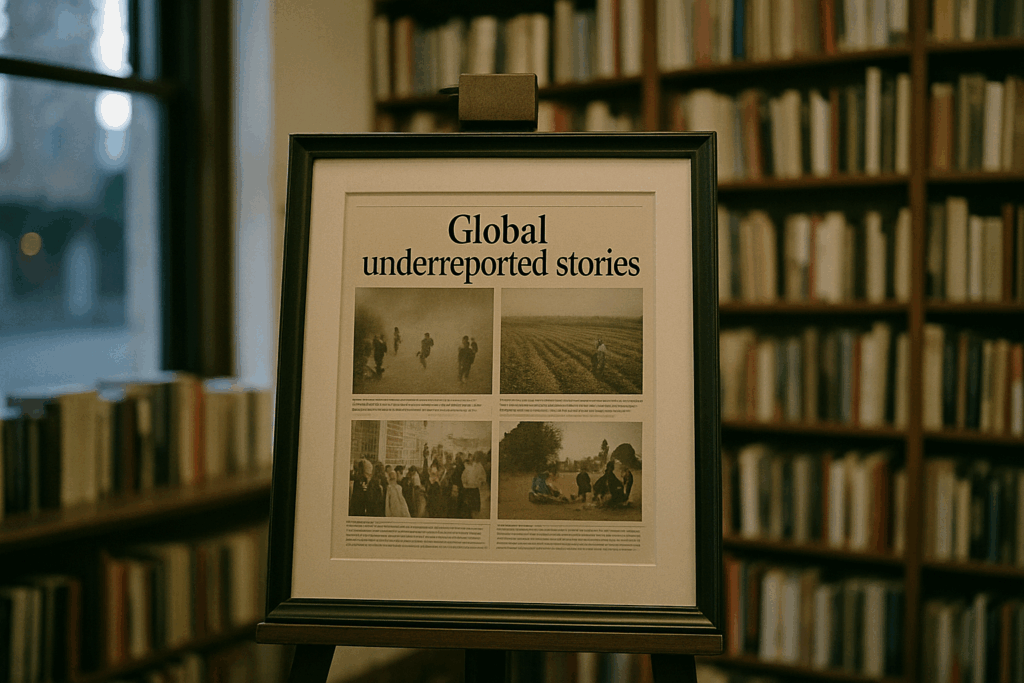
A lot happens in the world that never makes it to the evening news or your social feed. Major events wars, environmental breakdowns, mass protests can unfold without a whisper from mainstream outlets. The reasons aren’t always sinister, but they are systemic. Political filters play a big role; stories that challenge dominant narratives or threaten national interests often get sidelined. Newsrooms already stretched thin sometimes avoid complexity to focus on what’s quick, familiar, and safe.
Then there’s the issue of news fatigue. Audiences are bombarded with updates, outrage, and crises daily. To keep clicks coming, editors prioritize what’s viral over what’s vital. Algorithms feed the loop by promoting stories that confirm bias or drive short term engagement. Important but nuanced coverage say, a slow burning human rights crisis in a resource poor region rarely fits the mold.
As a result, hidden conflicts simmer under the radar. Environmental emergencies without explosions or photogenic wildlife get filtered out. And grassroots movements especially those without celebrity backing or trending hashtags fight for airtime that never comes. We don’t lack big stories. We lack systems that surface them.
Who’s Telling These Stories
The global journalism scene is shifting and not quietly. A new generation of reporters is cutting through noise and narrative fatigue by doubling down on depth. These aren’t your suit and studio types. They’re field reporters, citizen journalists, and investigative writers using narrative driven formats to pull people into stories that matter. Instead of rapid, surface level updates, they’re structuring their content like episodes in a series: character driven, emotionally resonant, grounded in real stakes.
Independent newsrooms are also taking the gloves off. They’re throwing out long standing editorial filters in favor of stories that would never make it through a traditional news cycle. The aim? Show what’s happening, not just what’s trending. These teams are smaller, scrappier, and faster and they’re more willing to take risks on non mainstream voices.
Just as critical, though, are the reporters rooted in the places the stories happen. Local voices not fly in fly out correspondents are telling these tales with context, nuance, and unfiltered urgency. They understand the stakes because they live them. And they’re no longer sidelined. In fact, they’re front and center, shaping how global audiences perceive conflict, culture, and shifts that larger outlets often skip.
This isn’t a trend. It’s a turning point. And it’s being led by those bold enough to challenge not just what gets covered but how.
Deep Impact Through Narrative Journalism

Great storytelling doesn’t just inform it stirs something. Long form, in depth reporting has a way of pulling readers close to people they’ve never met and places they’ll never go. It’s less about headlines and more about heartbeat. When someone reads a 5,000 word piece following a Syrian doctor rebuilding clinics in bombed out towns, that story sticks. It doesn’t vanish in a social scroll. It lingers.
This kind of journalism builds empathy because it slows you down. It invites understanding before judgment. Instead of quick stats on deforestation, it tells you about the single mother in Indonesia fighting palm oil expansion for her village. That angle doesn’t just report damage, it connects you with the human cost and it often fuels action. Readers donate. They sign petitions. They show up.
There are many examples of narrative journalism shifting outcomes: from ProPublica’s deep dive into maternal health in the U.S. exposing systemic bias, to Africa Uncensored’s local reporting that led to police reform in Nairobi. These aren’t just good stories they’re levers for change.
(See examples: narrative journalism stories)
Platforms and Tools Powering New Voices
Independent journalists and small media collectives are telling the world’s overlooked stories with the help of modern platforms and innovative tools. These aren’t just alternatives to legacy media they’re reshaping how journalism is created, funded, and distributed globally.
Expanding the Format: How Stories Are Told
Today’s global storytellers are embracing diverse formats to deepen both reach and resonance:
Podcasts allow for immersive, voice driven storytelling that fosters intimacy and empathy.
Long reads provide space for context rich reporting untethered from the demands of 24/7 news cycles.
Multimedia storytelling from interactive timelines to photo essays and documentary short films brings complex issues to life in layered, accessible ways.
This diversity of format plays a key role in making lesser known global stories both compelling and widely shareable.
Meeting Financial Challenges With Community Support
Sustaining independent reporting especially on under covered global issues requires inventive funding models. Traditional ad revenue falls short when covering stories that don’t cater to mass appeal. Instead, creators are turning to:
Crowdfunding campaigns that rally support for specific reporting projects
Paid subscriptions that offer bonus content or early access to loyal audiences
Grant supported journalism from nonprofit civic media organizations around the world
These grassroots driven ecosystems give power back to journalists and their communities, rather than corporate agendas.
Technology Making Global Coverage Possible
Access to affordable, secure tech has transformed the fieldwork required to report hidden stories:
Mobile reporting kits including smartphones, portable mics, and stabilizers allow journalists to capture high quality content on the go.
Secure messaging apps and encrypted channels protect sources and reporters working in high risk regions.
Cloud based editing tools make collaboration seamless, even across continents.
These tools are reducing barriers to entry and enabling brave reporting from conflict zones, authoritarian states, and remote communities.
The result? More voices. More perspectives. And more pressure on the global news cycle to move beyond the familiar headlines.
Why Coverage Must Go Beyond Headlines
Attention spans are short, but the world is not. The complexity of global issues can’t be captured in a headline or a 30 second clip. And when news coverage stops at the surface, public understanding suffers and so do the decisions made at the highest levels.
An informed public pushes better choices. Policy, aid, and global cooperation improve when people actually understand what’s happening, not just where it happened. That requires more than quick takes. It demands context, history, and voices from the ground. In a time of deepfakes and spin, real journalism is one of the last lines of defense.
This is where journalists matter most. The ones who spend weeks in the field. The ones who listen instead of tell. They become the bridge between one corner of the world and the rest, offering not just facts but meaning. Their work cuts through the noise and plugs audiences into reality. And in 2024, reality and those who report it is something worth fighting to protect.
Where to Read and Support More Stories Like These
If you’re fed up with recycled headlines and shallow takes, it’s time to look elsewhere. Nonprofit media platforms are picking up where mainstream outlets fall short, delivering deep, often risky storytelling from places the algorithm doesn’t notice. Outlets like The New Humanitarian, El Faro, and Global Voices consistently report from underserved regions with clarity, depth, and local perspective. International units under larger nonprofits, like the Pulitzer Center and Internews, also fund high caliber journalism that sticks with you.
Supporting these stories isn’t just a nice idea it’s actionable. Many of these platforms run on donations, grants, and reader memberships. Whether it’s $5 a month to fund translation services or a one time gift to back a conflict reporter, your support matters. Substack newsletters, podcast subscriptions, even Patreon campaigns these are the new lifelines for storytellers operating without safety nets.
Consuming these stories is good. Sharing them is better. Funding them closes the loop. Want to see what narrative journalism can look like when it’s firing on all cylinders? Start here: narrative journalism stories.